Andy's adventures in Ghana as a Peace Corps Volunteer
Traditional Day
May 4, 2024
I wrote previously about how Ghanaian culture largely survived the impacts of British colonization. That’s probably attributable to the fact that large tribes with thousands of members have lived in what is now Ghana since at least the 12th century, and overland trade routes between this territory and the Mediterranean go back centuries before that. The land that is modern day Ghana was the source of much of the gold that found its way to the Mediterranean. So tribal cultures and traditions were well established long before the Portuguese first sailed south around west Africa in search of the source of that gold (to be followed by the Dutch, French, Swedes, Germans, Danes, and British).
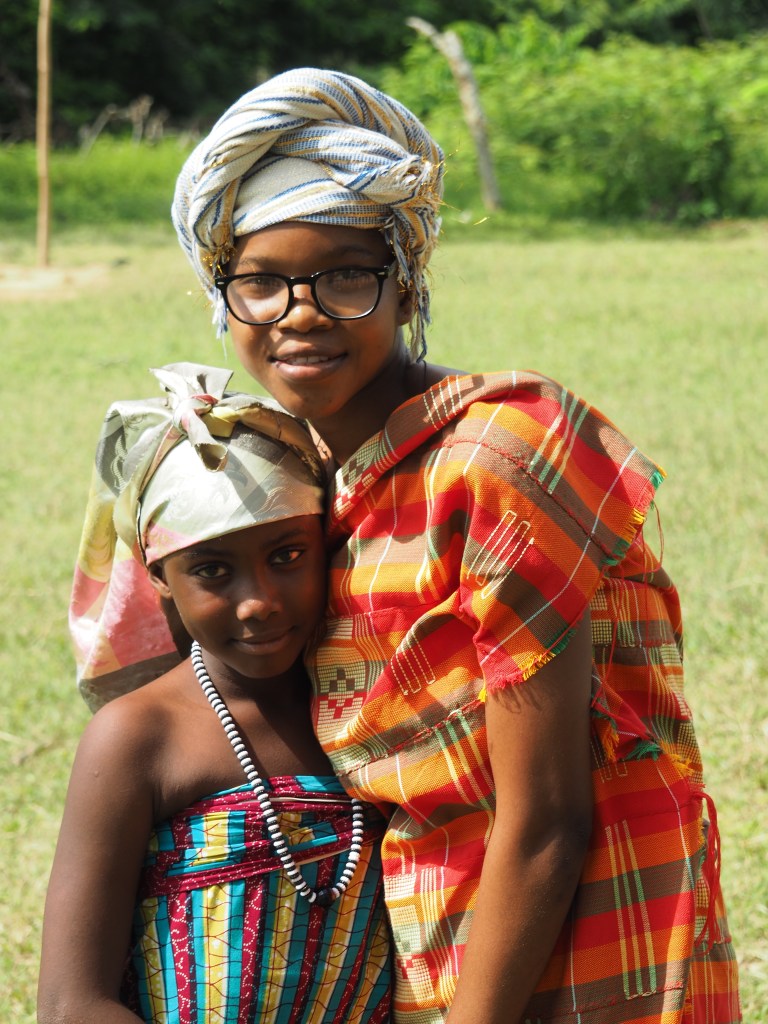
The last week of November was designated by our local school district as a time to celebrate all aspects of Ghana and Ghanaian culture. Teachers incorporated lessons on history, historical figures, and traditional festivals into their regular classes. The celebration culminated on Thursday with traditional games, foods, drumming and dancing, and the opportunity to exchange the daily uniform for displays of traditional clothing. I didn’t have much to add to the celebration, but I took over 800 photos that day (aren’t digital cameras great?!). I’ll let the photos do most of the talking today.
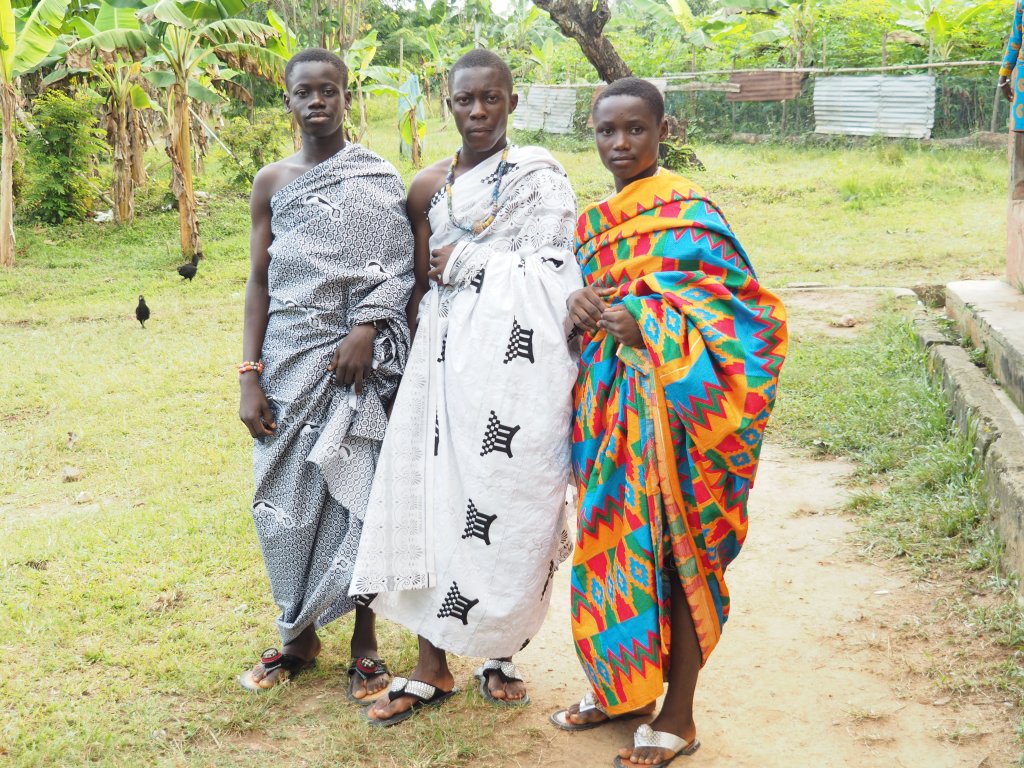
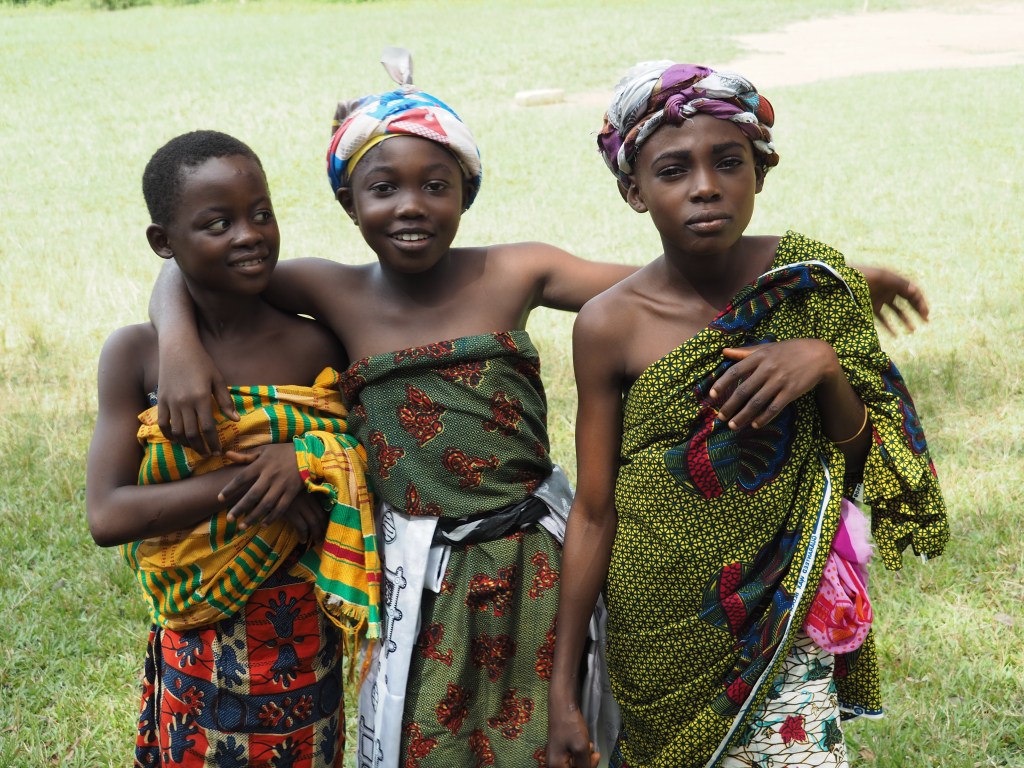
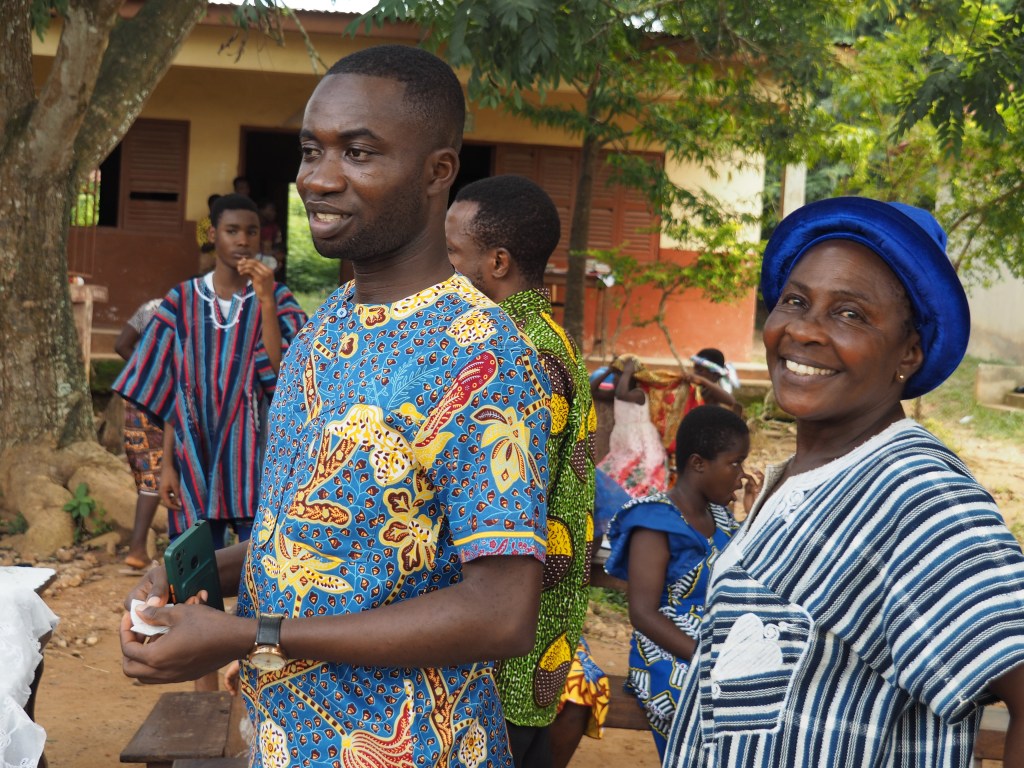
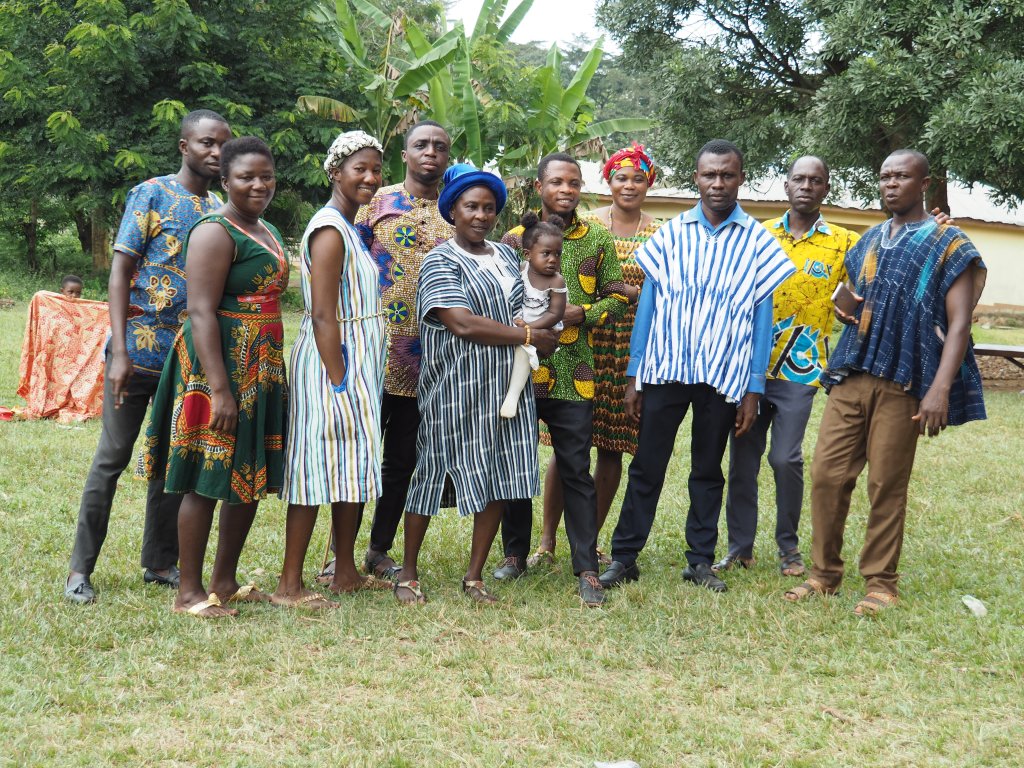
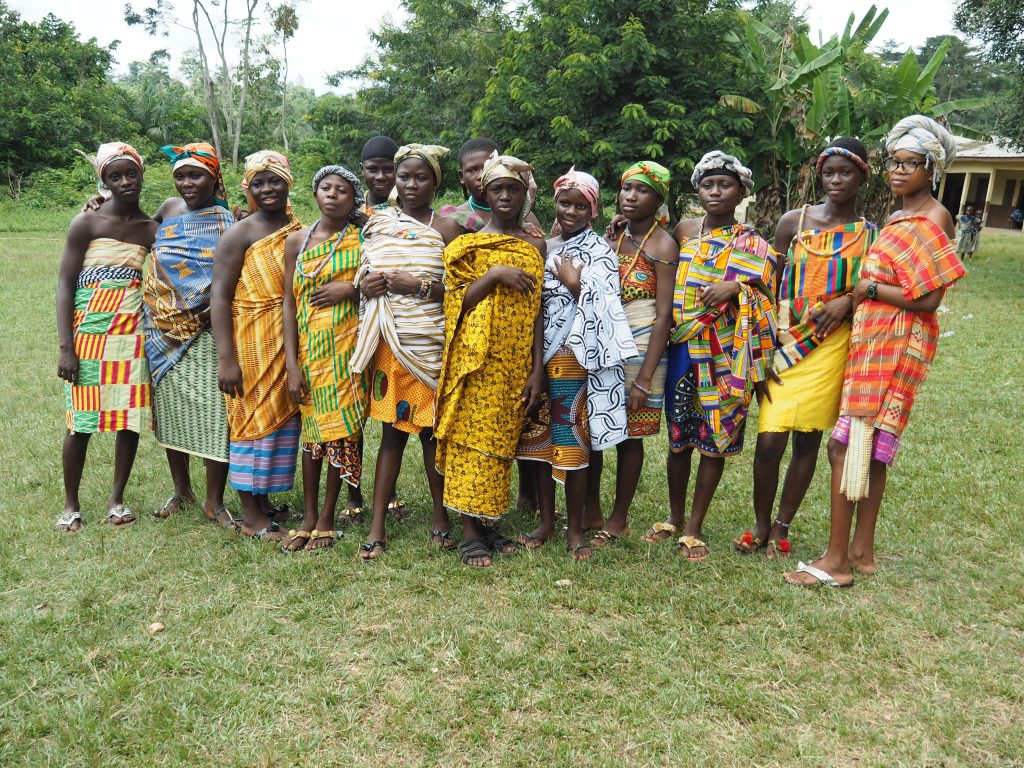
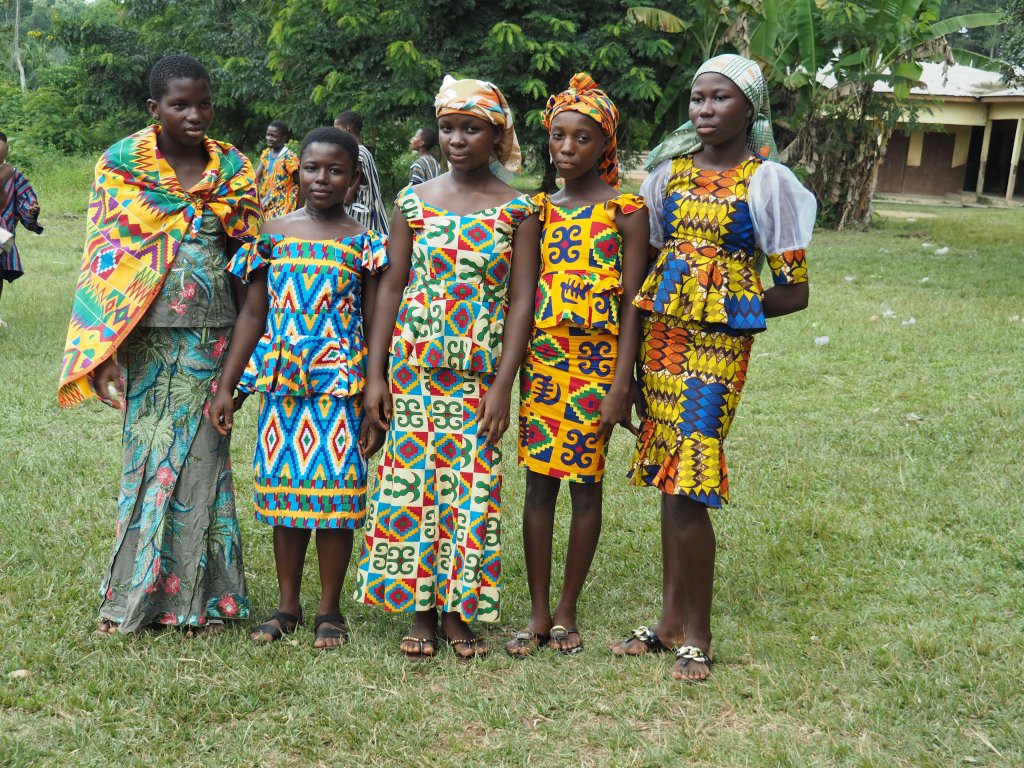
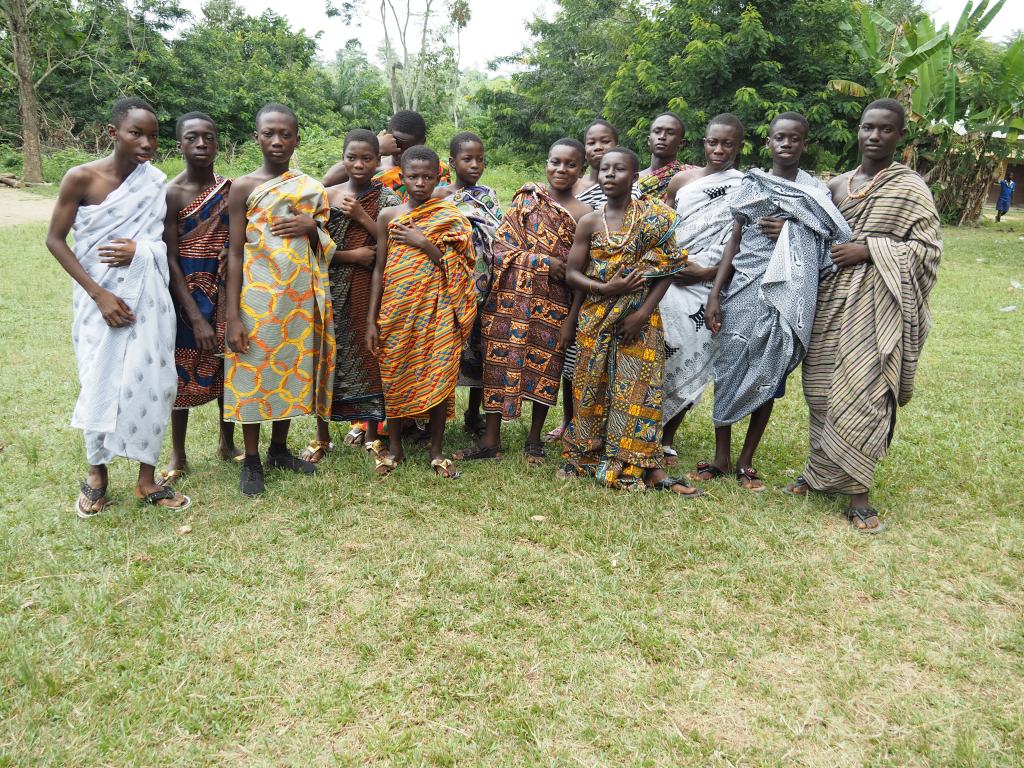
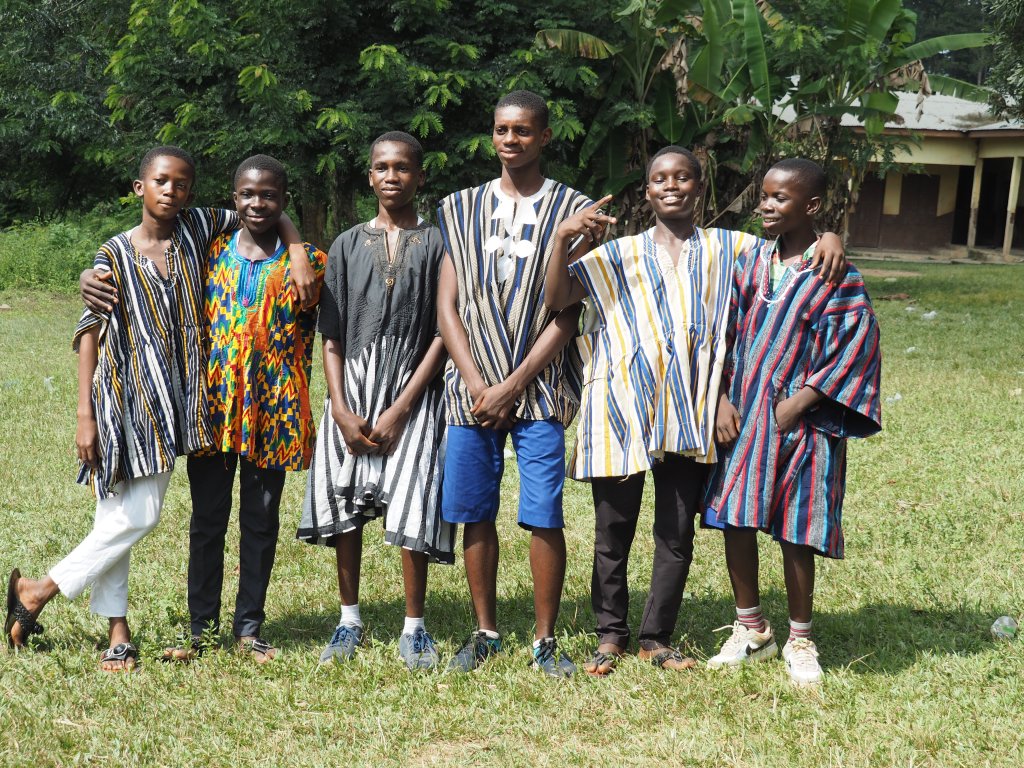
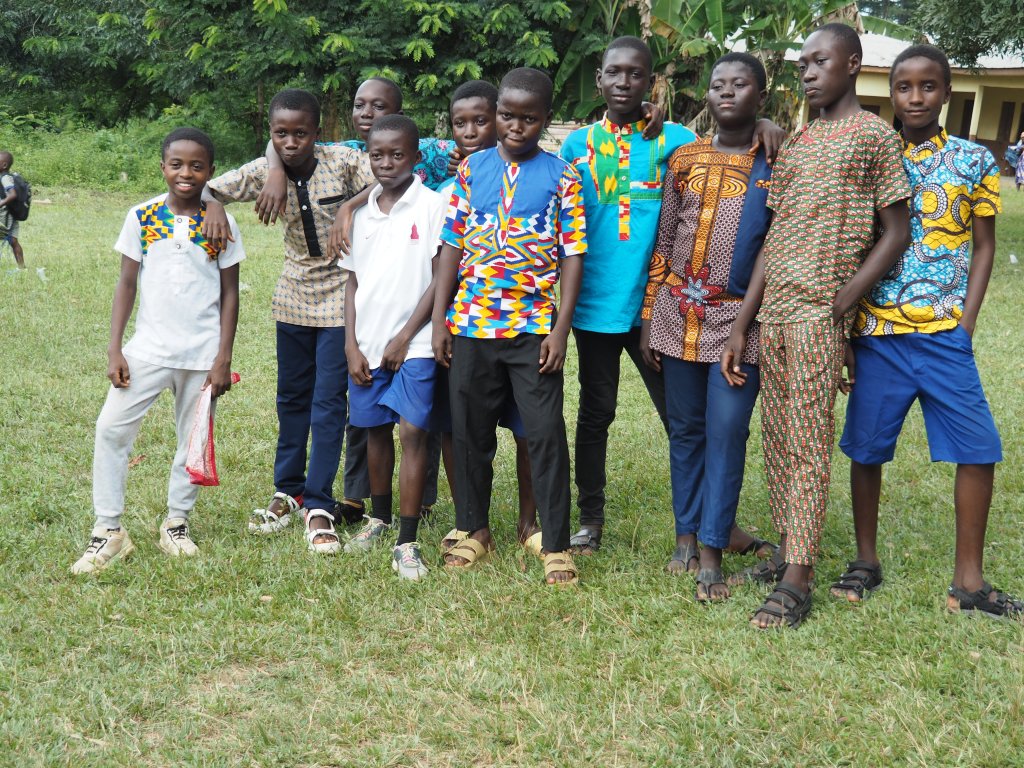
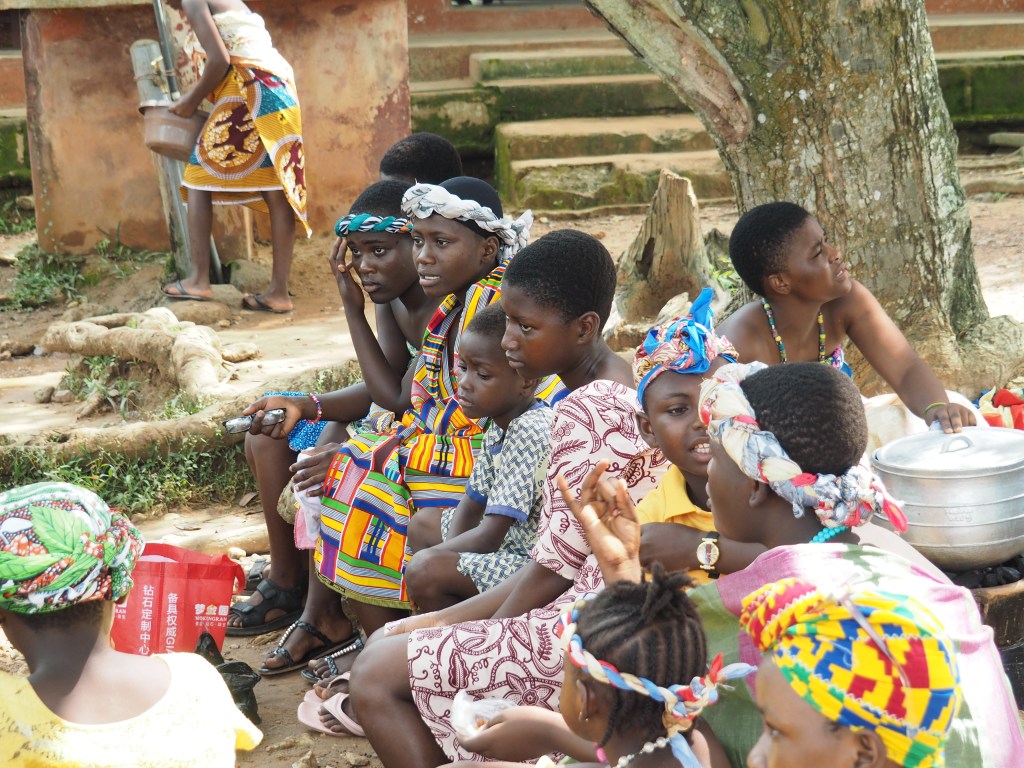
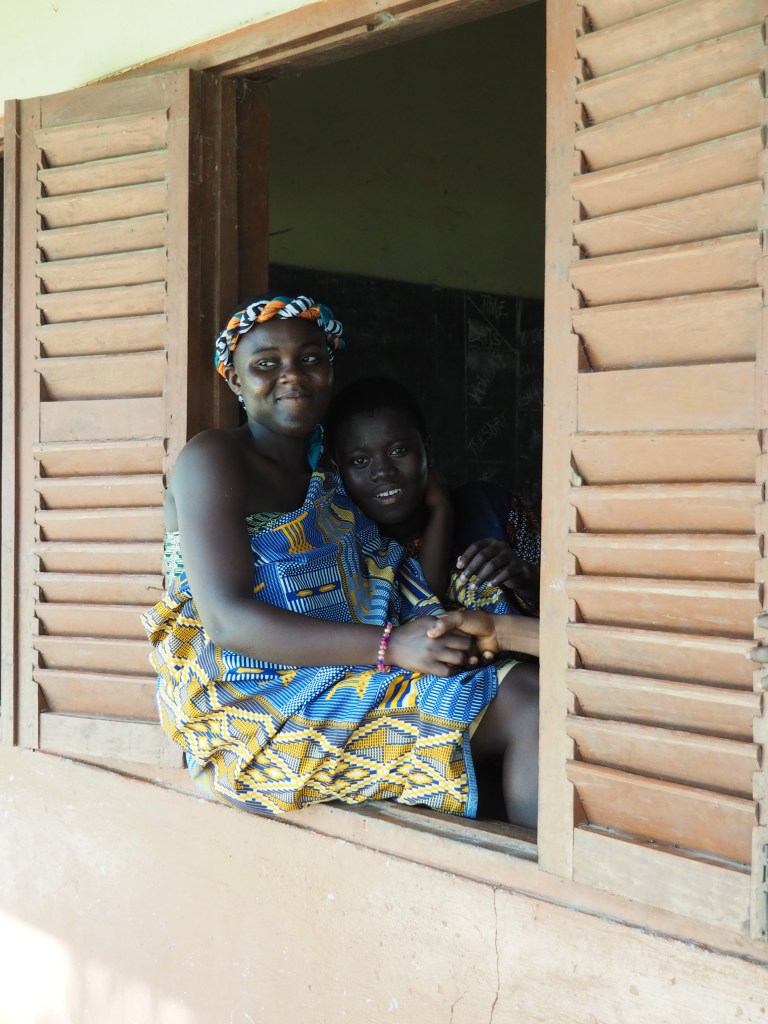
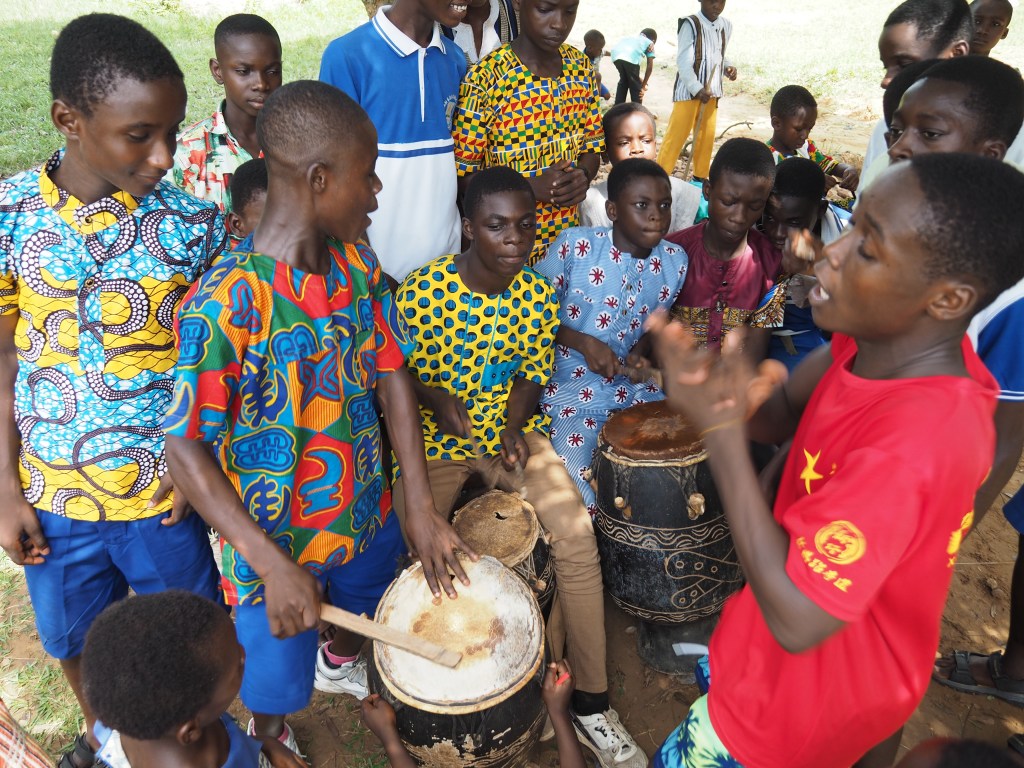
As the saying goes, “The clothes make the man.”; in that case, perhaps these Junior High School boys will become chiefs of the future. The cloth on the right looks like real Kente cloth (formerly reserved for royalty), although I can’t say if it’s Kente for sure.The whole school participates. These girls are in the primary grades.OLYMPUS DIGITAL CAMERATwo of my teaching colleagues.Ampesi (with plantain)Eto, made with mashed yams.Many, but not all, of the faculty.7th, 8th, and 9th grade girls in traditional wear. It’s not uncommon to see women out and about in outfits like this on a daily basis.Modern attire based on traditional themes.Traditional wear for men, which is also seen fairly often in the community (e.g., at Sunday church services).The tradition smock called fugu is more common in the north of Ghana (not to be confused with the poisonous sashimi delicacy of the same name).More modern attire.Girls awaiting their assignments for preparing a traditional dish.Friends. It’s very common for girls to walk hand-in-hand or with arms interlocked; likewise for boys. Lately I have seen boys and girls holding hands in public, but it’s not as common. I don’t know if such hand-holding between boys and girls means anything more than friendship.Drumming seems to be a boys’ activity.Colorful and attractive. I continue to learn proper posing and the most appropriate settings on my camera to best capture black and brown skin tones (that’s why I ended up with so many photos).
Thank you, Barb. One problem with taking hundreds of photos is that I then have to sort through them and decide which to display, which, of course, takes time.





 Not A Typical Day
Leave a reply to ghanaandy Cancel reply