September 1, 2024
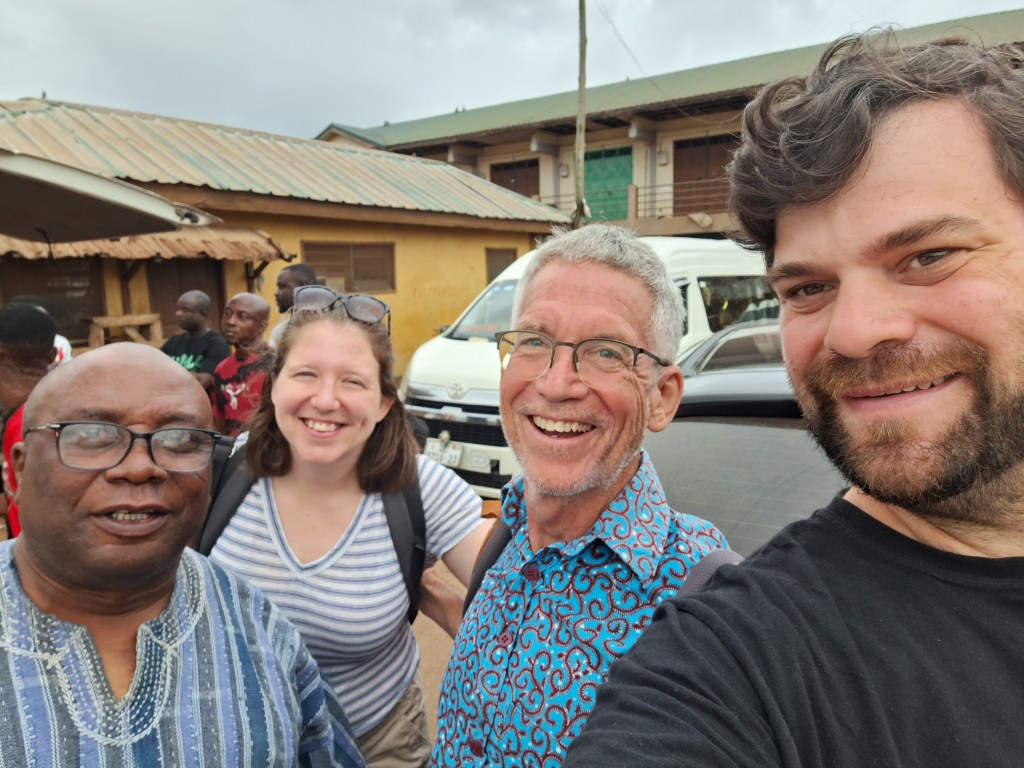
“Oof!”, I say as I finally find time to sit down, catch my breath, and contemplate the anniversary of my swearing-in as a Peace Corps Volunteer. I’ve been in Ghana for 15 months now and have another 12 months to go (unless I decide to extend my service for a third year). I feel fortunate in a small way to have the structure of the academic year by which to mark time. There was a clear beginning and end to my first year of teaching, whereas my impression is that volunteers serving in Public Health or Agriculture mark the passage of time by the subtle transitions between the rainy and dry seasons. The new school year will begin on September 10th, but until then I have a lot of freedom.
Happily, the end of the school year was followed quickly by the arrival of my daughter, Gina, and her beau, Vincent, for a two week visit. Both Gina and Vincent served in Peace Corps (Gina in Kyrgyzstan, Vincent in Armenia and Liberia), so they are comfortable with the Peace Corps ethos of living life as people in rural communities experience it. That background made them ideal visitors – they weren’t shy about rubbing elbows with regular folks in a trotro and they were downright enthusiastic about trying as many Ghanaian foods as they could find.
We started with a short two days in my village, where everyone, from small children to village elders (including the Chief) was eager to meet them. In Ghana, family is very important to everyone, so they were thrilled to see that one of my daughters had come to visit (and asked when my other daughter, Ell, would visit). As we walked through my village one morning, we were stopped frequently by people I know (and a few who I didn’t know) to chat. I did my best to introduce my guests in proper Twi and relay questions and comments back in English, but smiles and laughter were the most common form of communication. Some playfully suggested that Gina and Vincent should stay in Ghana, where they would both easily find perfect Ghanaian partners.
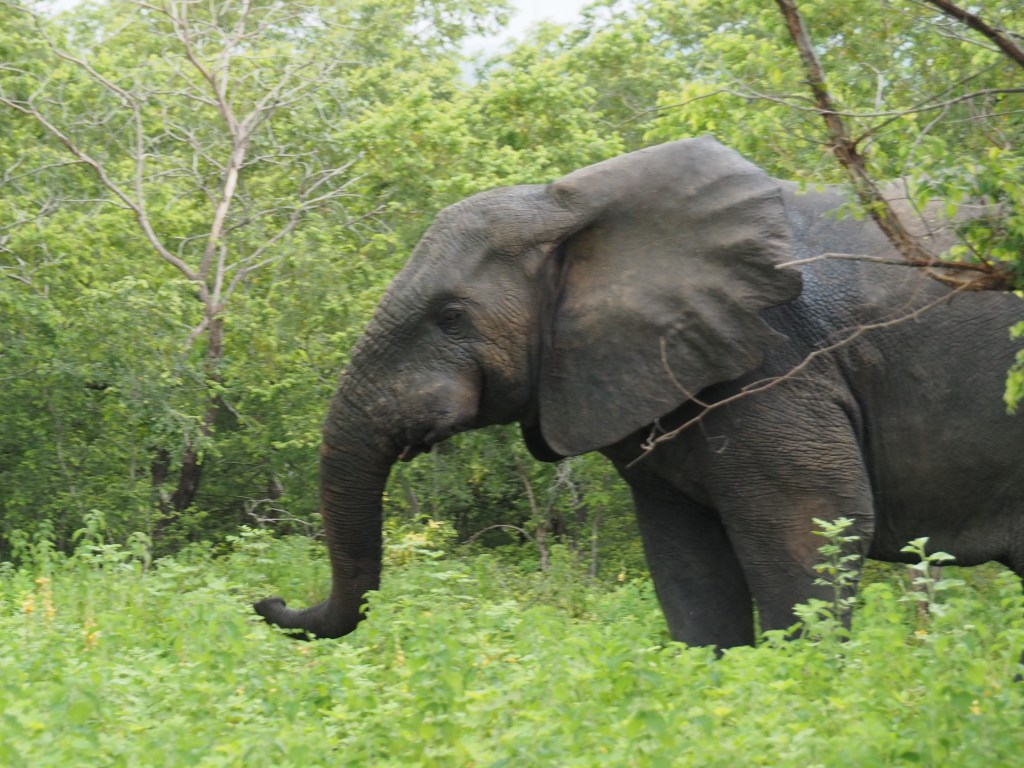
Together we traveled around Ghana visiting some of the most notable sites. We flew to the north, where we visited Mole National Park and saw several elephants, baboons, monkeys, warthogs, kob (a member of the antelope family), and a variety of other animals. We enjoyed morning and evening safaris and took an early morning bird-watching hike. Alas, my eyes are not fast enough or sharp enough to see all the birds that the ranger was pointing out.
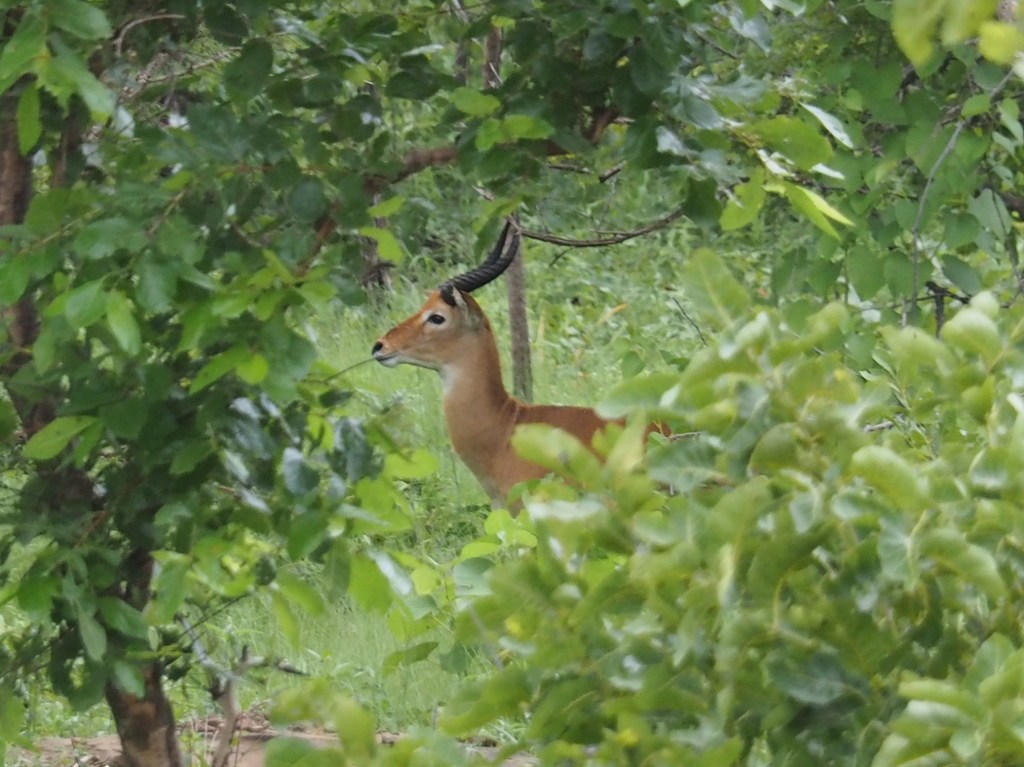

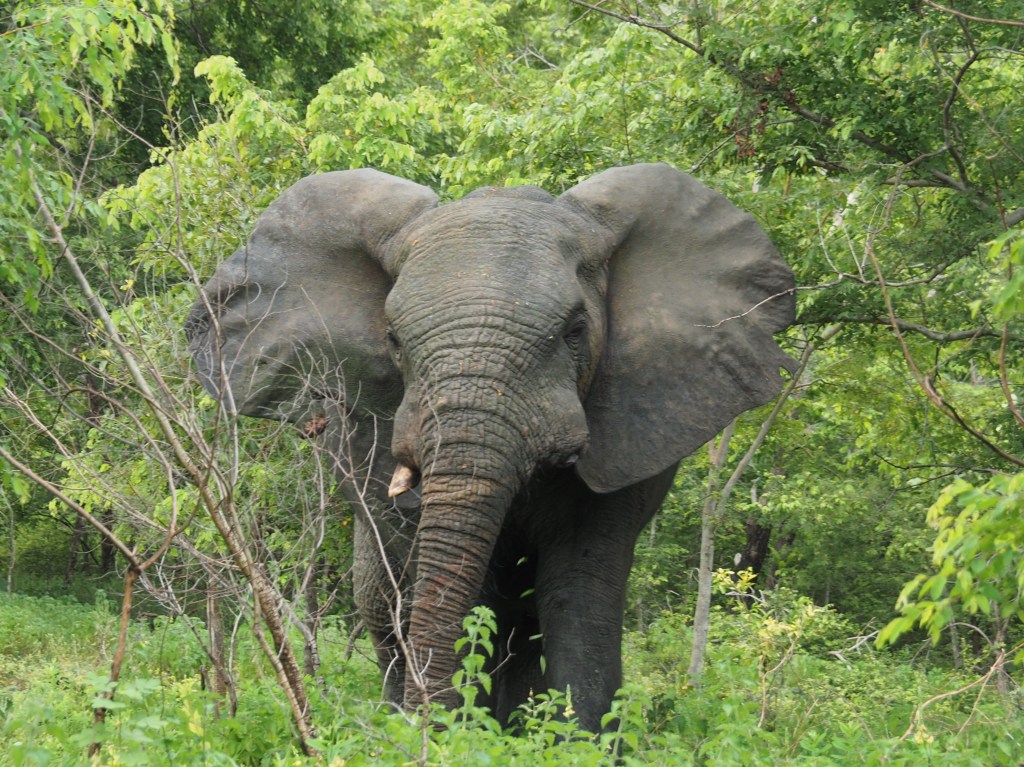
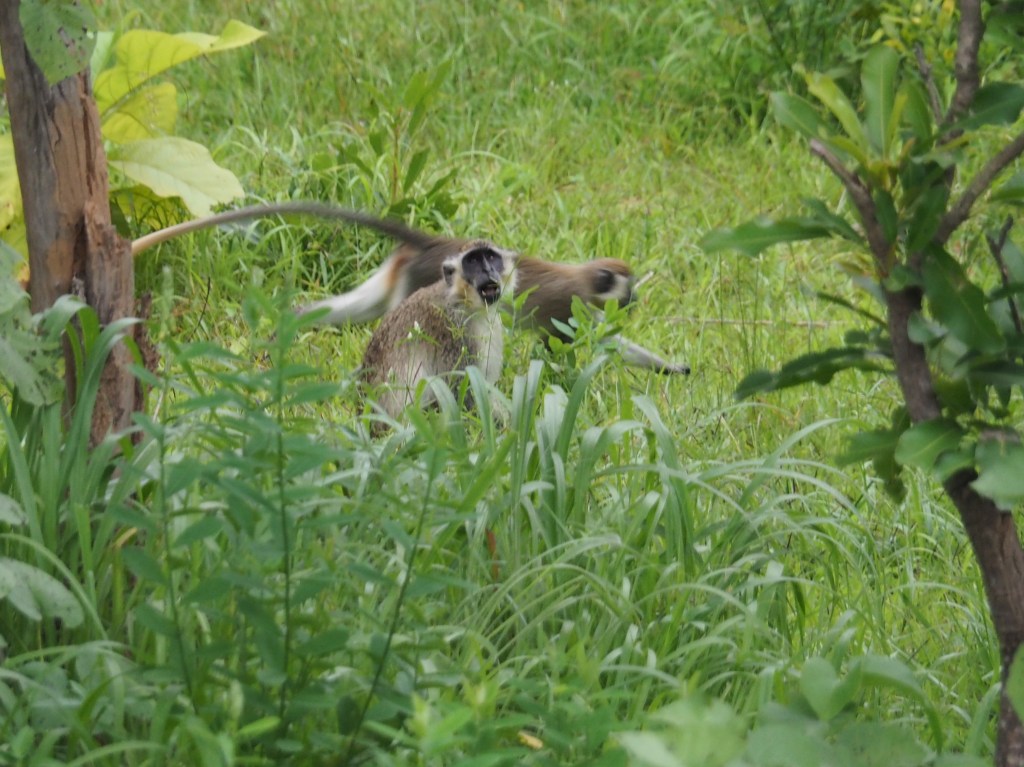
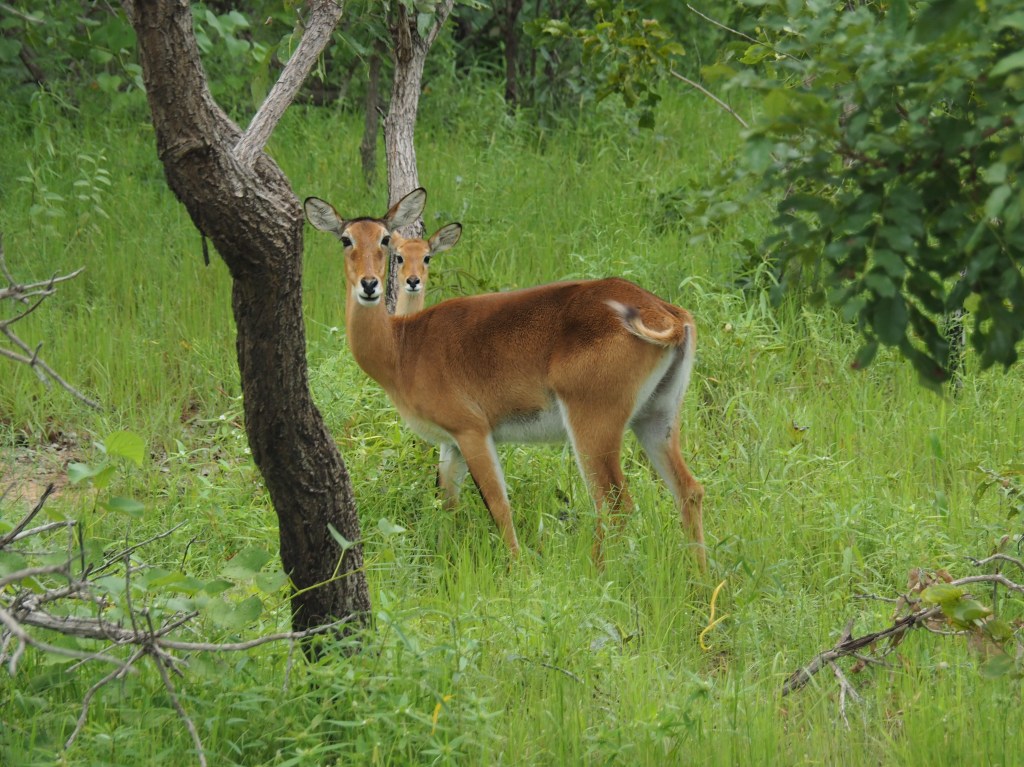
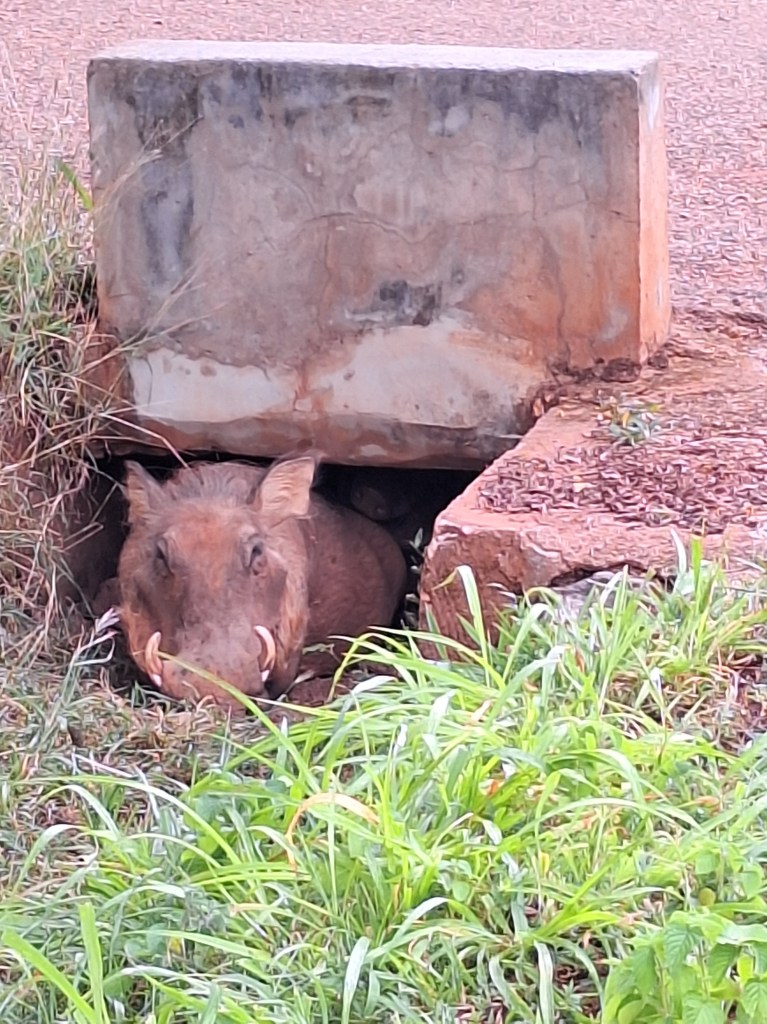

Photo credit: Vincent Cleveland
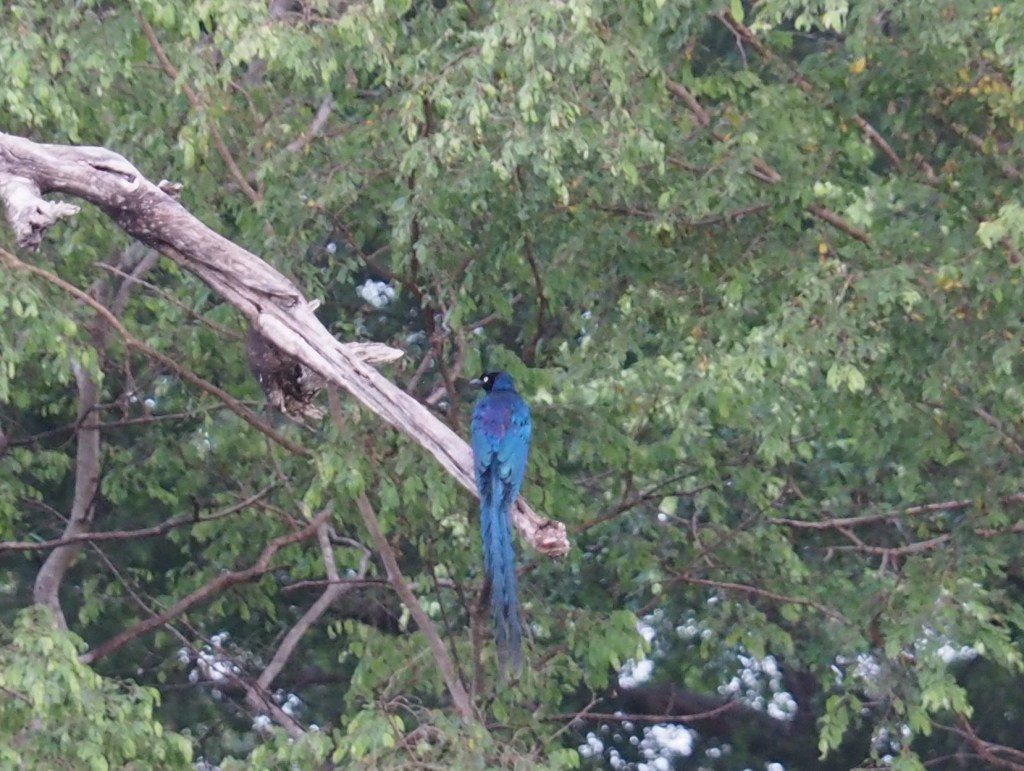
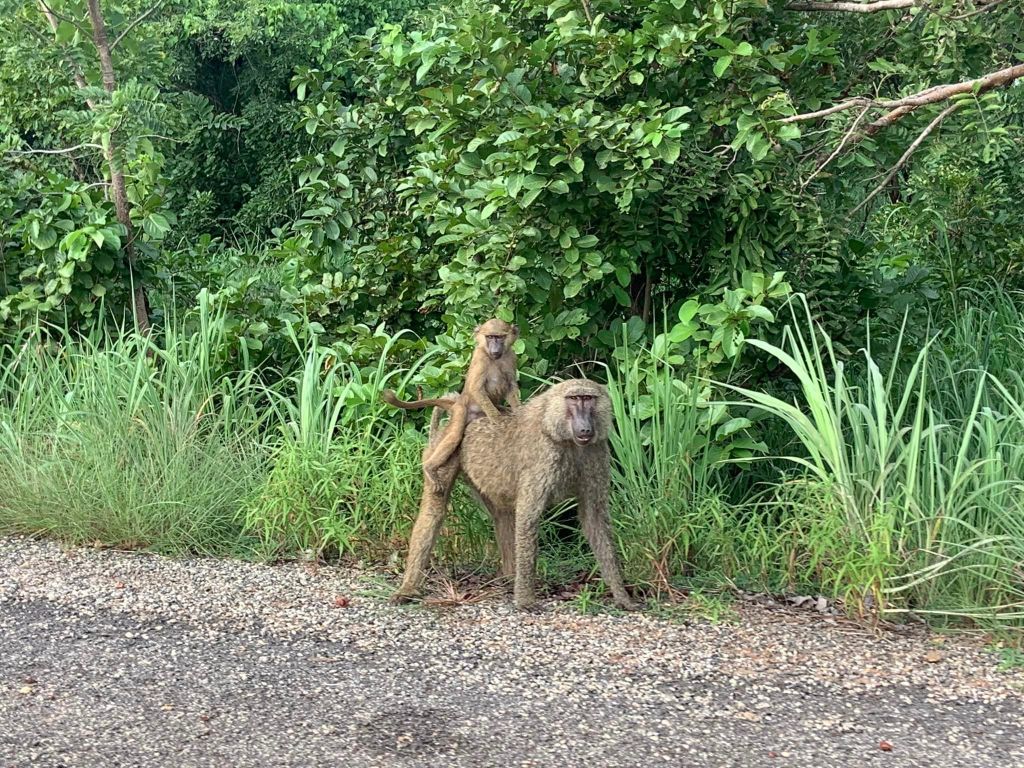
Photo credit: Gina Viner
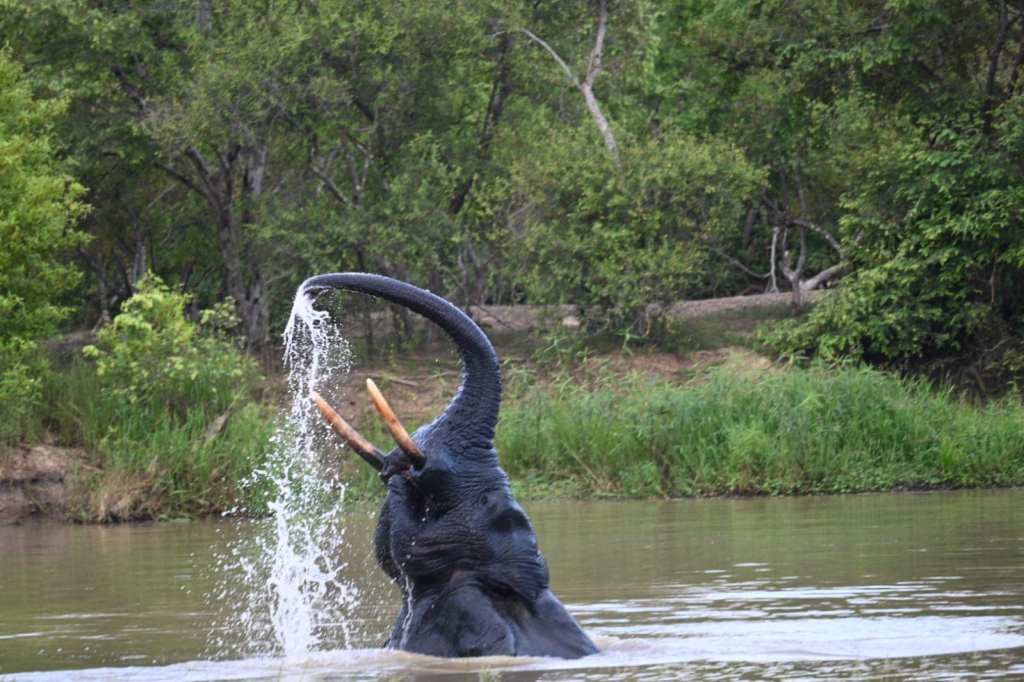
Photo credit: Vincent Cleveland
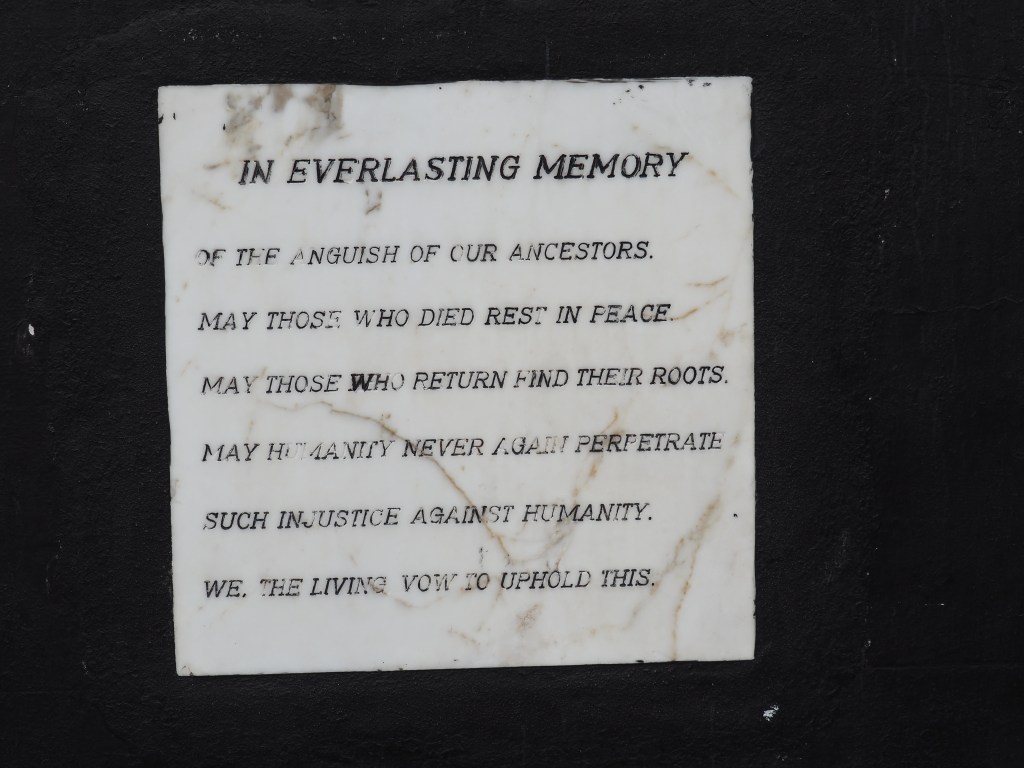
Upon returning to Accra (the hub of all flights to, from, and within Ghana), we were met by a driver with a 4×4 vehicle. Vincent had done the research and made the arrangements so that we enjoyed the luxury of a private vehicle for six days as we toured Wli Falls (the highest waterfall in West Africa), Lake Volta (where we canoed across the lake to get to a restaurant for dinner), and then Elmina and Cape Coast, sister-cities on the Atlantic Coast. Of all the sites we visited, the castles in Elmina (dating from 1482) and Cape Coast (~1680) affected me the most because of their very grim history. The Portuguese, who built Elmina Castle, began buying slaves and transporting them to the New World in the mid-1520s. The Swedes did the same for a while in the mid-1600s from what came to be known as Cape Coast Castle, to be succeeded by the Dutch, Danes, and eventually the English. Standing in the dungeons where human beings were packed by the hundreds, with little light, fresh air, food, or water, forced to stand, sit, or lie in the accumulated waste of so many bodies for weeks or months made me want to both gag and weep. Lest one think that the slave traders were evil pirates, the castles both had chapels built right on top of the dungeons. The dozens of castles along the West African coast were sanctioned by a wide range of Christian faiths. The slave traders were evil, but they considered themselves to be civilized, pious people.
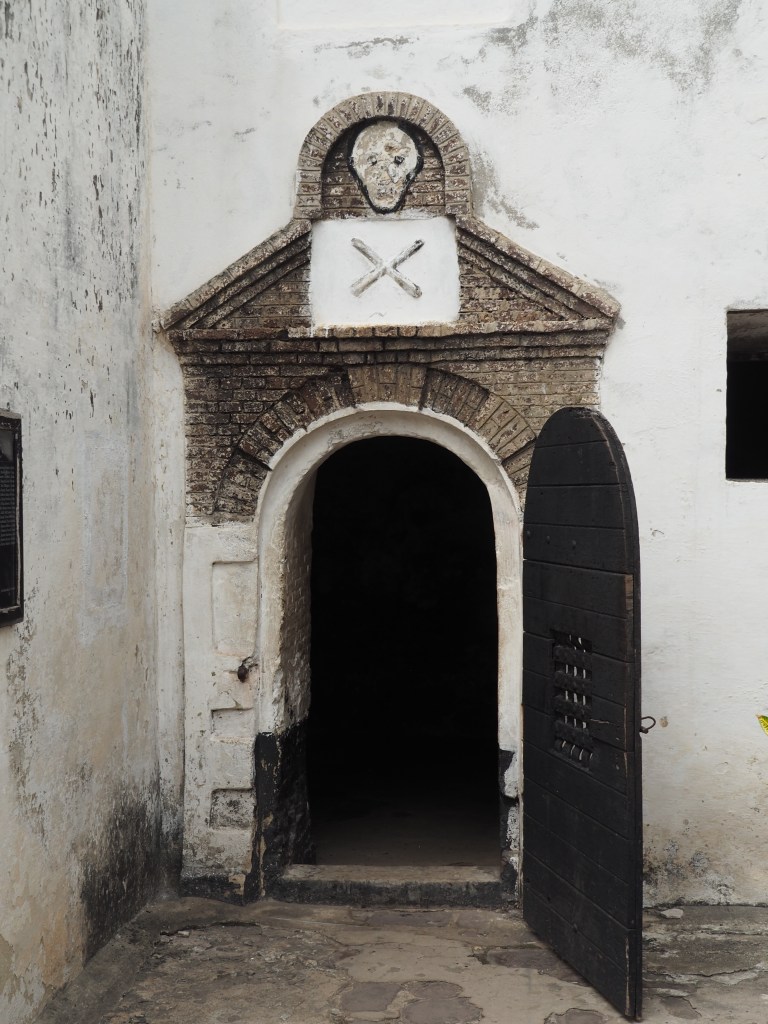

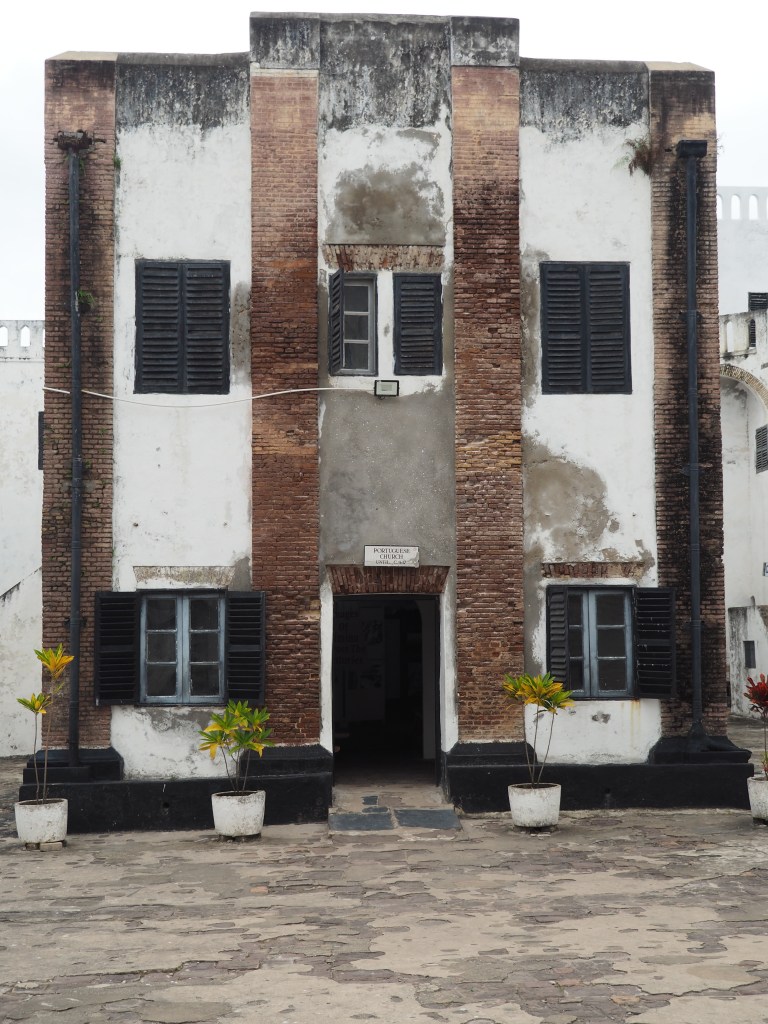
We returned to Accra to unwind for a day or two before Gina flew back to D.C. and Vincent returned to his work in Rwanda. We had a fun time together and it was wonderful to have their company for a whole two weeks. But just like with Cinderella, the enchantment couldn’t last. Sunday night when the clock chimed midnight, I was back at my site with two weeks of laundry waiting to be handwashed.
Halftime Comfort Zone Update
There have been many times over the past year that I’ve been baffled or bewildered because of language and culture barriers. When I reach the limit of my ability to understand and communicate, I tend to smile and say thank you and goodbye. Slowly I’m learning and improving, but it’s usually a struggle. Which brings to mind a quotation from Greg LeMond (three-time winner, and so far the only American winner, of the Tour de France) that feels especially apropos. I believe he was speaking about training, but I think it applies to many aspects of life: “It never gets easier, you just get stronger.” (also reported as “It never gets easier, you just get faster.”) That’s how I feel now: the challenges are unrelenting, but maybe each encounter leaves me a little bit stronger.


 Not A Typical Day
Leave a reply to Gina Cancel reply